Welcome to Episode 132 of Ramping Up your English!

Watching Episode 132
Click here to watch episode 132, and learn about the ancient civilizations of South America and how these areas have changed.
Episode Summary
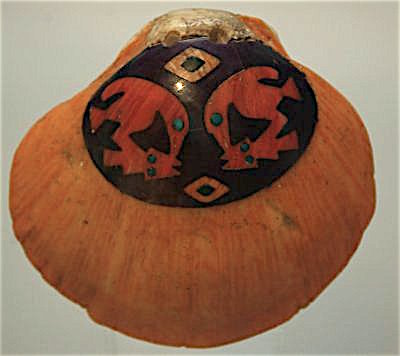
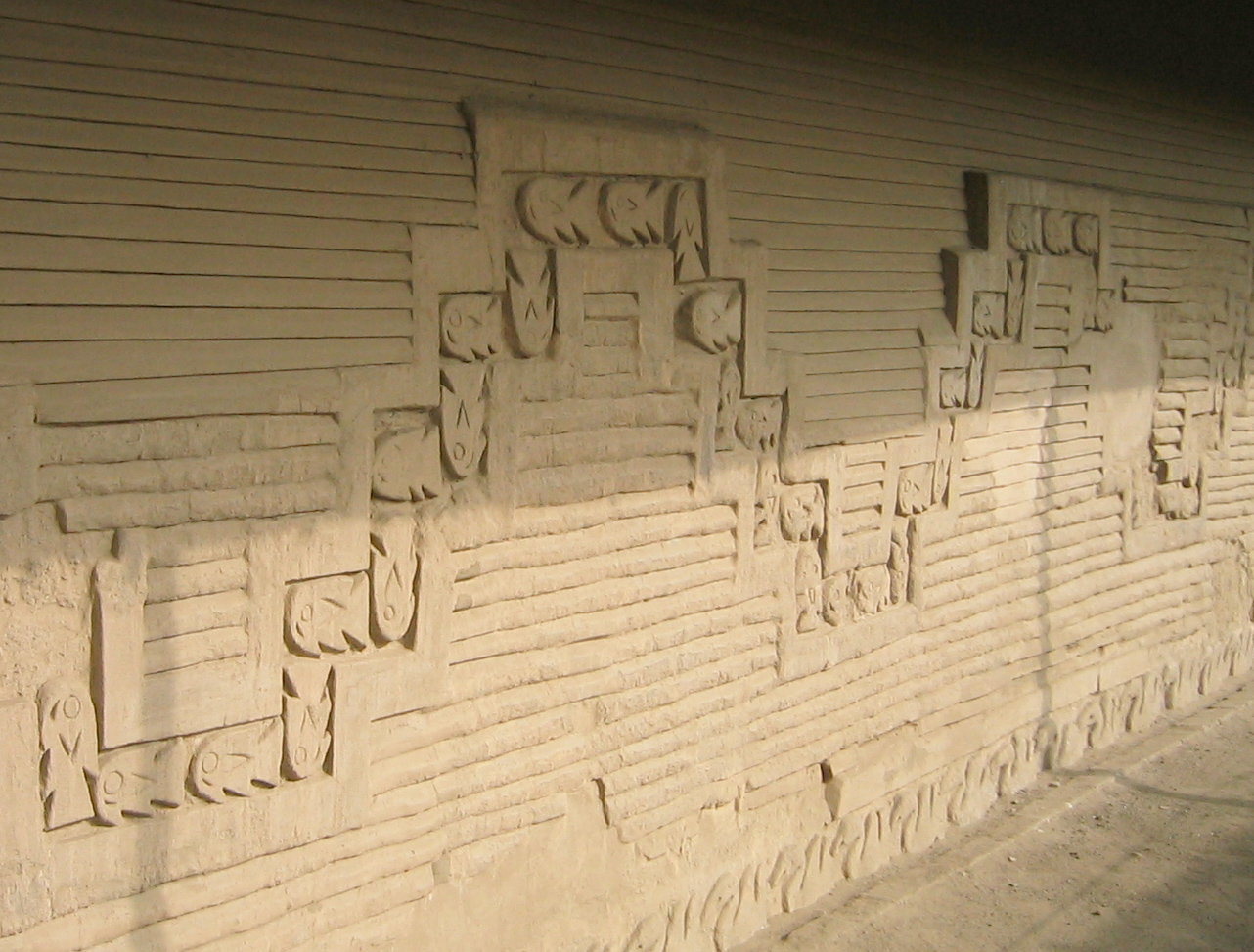
While we featured the Guarani and early settlement in the Rio De La Plata region in a previous episode, we really haven’t done much with Native Americans in South America….until now. South America has archeological sites of the earliest Americans, ranging from Southern Chile to early civilizations in Peru.
That’s where we begin in this episode. Chico Norte, Chavin, Moche, Nazca, Chimu, Inca and others dominated South America’s Andean region. Researchers have learn a great deal from the objects they’ve unearthed and ruins left behind. The story of these civilizations and the more recent Tribes, like the Mapuche, is a struggle for conquest and survival.
Ultimately, it was the explorers and colonists from Spain who gained the upper hand, and this episode follows the changes the Spaniards left of this part of the South American continent, Those changes, influenced by those who were there before, are reflected in today’s South American landscape and cities. There’s a lot to learn in this episode.
Language Work
Most of this episode is the featured video, but some language work will bring the greatest benefit to English Learners. We’re asking viewers to watch the video, then write questions – yes questions based on the content of the video.
When I was a news reporter, I was aware that each story had to address the questions of Who, What, Where, When, How, and Why. We worked with these interrogatives before, but now we go deeper, demanding greater comprehension of this English video.
Start with the question containing the interrogative “Who.” The answer will be a person of group of people. So you’re finding the answer first, then writing a fair question – already knowing the answer. An example might be, “Who drew mysterious figures in the desert that could only be seen from a high elevation?” (Watch the video for the answer, yet your work is not to answer questions; rather to write them.) The above in just an example.
The interrogative “what” can be used in many ways. It can refer to objects, but also to events. An example might be: “What did the structures of the Chico Norte civilization lack that were common in later cities of the region?” So using “what” could relate to objects (things that were lacking) or events that are related in the video. I suggest at least three questions using “what.”
The question beginning with “where” refers to a location. The video describes locations and shows them on a map, so this may be easy for you to write. You could probably write three of these without much struggle. The interrogative “when” is also pretty straight-forward. It’s the time when something happens or exists. There are lots of references to temporal content in the video. Be aware that you may need to use the word “did” in your question, as, “When did the Inca overtake the chimu resistance.
The helping word “did” will also help with the earlier questions. The next interrogative is “how.” This can refer to the means by which something is done. An example is: How did the Chimu respond to kingdoms that didn’t want to become part of their empire? The word “how” can be combined with the words “much” and “many” to show quantity. How many years did the Moche civilization endure? This could be a tough one. A single question would be fine, unless you want to come up with more.
The question “why“is a matter of Cause and Effect, and may take some conjecture on your part. Why did the structures of Chico Norte have no defensive features? One of these questions using “why” should be enough unless you really want to do more.
Featured Video
As with recent episodes, this one has a long featured video. It’d this video from which you’ll get content for your questions. Click here to see the video for Episode 132.
Next Episode
We’ll still be in South America for the next episode. Hey, it’s a big continent. We’ll explore Brazil and Paraguay. Click here to go to the Episode 133 page.